The council tax bill lands every spring with the same two numbers: what you owe, and how much it has gone up. What it never tells you is where the money goes, who decided that, and why the leisure centre gets repainted while the road outside your house stays lumpy.
Those answers already exist. They sit in budget papers, committee agendas and minutes published on the council's website, usually months before the bill arrives. Most people never read them, which is fair enough: they are dense, long and written for auditors. Here is the plain-English version — how the money is raised, spent, checked and questioned, and how to get your own question in front of the people who decide.
Where the money actually goes
Most council spending is not a choice. Councils have legal duties — things they must do, whether or not they are popular, and whether or not the budget is tight. Those duties swallow the bulk of the money:
- Schools and education
- Adult social care and children's services
- Waste collection, recycling and disposal
- Highways, street lighting and winter gritting
- Housing support and homelessness services
- Planning, licensing and environmental health
- Libraries, leisure centres and parks
What is left — grants to arts groups, events, extra street cleaning, quieter road schemes — is the discretionary spending. It is usually the first thing squeezed, and the first thing residents notice missing.
Revenue versus capital
Two words cause more confusion than any others. Revenue is day-to-day running: wages, fuel, contracts, repairs. Capital is big one-off projects: a new school building, a bridge, a depot. They are funded differently and cannot be swapped. You cannot pay a bin crew's wages with a grant earmarked for a new road, which is why "they found money for that but not for this" arguments often miss the point.
Your bill is not one bill
Only part of your council tax goes to the county council. Your town or community council takes a share. So do the police and crime commissioner and the fire authority. When someone claims "the council put your tax up by X per cent", check which body they mean — the percentage on the leaflet is a combined figure.
Where the money comes from
Council tax is a minority of most councils' income. The rest comes from a government settlement, a retained share of business rates, fees and charges (parking, planning applications, leisure, trade waste) and, in bad years, reserves.
This matters at budget time. A change in the government settlement can move millions — far more than a modest rise in council tax raises. It also explains the awkward arithmetic behind cuts: shaving a small percentage off a large contract saves more than closing a small facility, even though the closure makes more noise.
Reserves are not a slush fund
Some reserves are earmarked for specific jobs — a vehicle replacement, a legal settlement, a known repair. Others are a general cushion for emergencies. Spending the cushion to plug a recurring gap feels painless for one year and simply moves the problem twelve months down the line. Ask whether reserves are being used once or repeatedly; the answer tells you whether a budget is balanced or just delayed.
Who actually decides
Paid officers draft the budget. They are the ones who must make the numbers add up and warn, in writing, when a plan is risky. The cabinet — the leading councillors — proposes the version it wants. Full council, meaning every elected member, votes it through.
The rhythm rarely changes. Consultation in the autumn. A draft in the winter. A final vote and the council tax rate set in February or March. Behind it all sits a medium-term financial strategy, covering three to five years, which is where the real choices quietly get made. If you only ever read one document, read that one.
Scrutiny: the meeting hardly anyone watches
Overview and scrutiny committees are local democracy's quiet room. Councillors from all parties — not just the ruling group — question officers and cabinet members, request reports, and can "call in" a decision for a second look. They also set up short reviews on single topics: bin collections, bus routes, a leisure contract.
They have limits. Scrutiny can challenge and recommend; it cannot usually force a change. But it puts things on the record, and the record is public.
Papers are published about a week before each meeting. That week is your advantage over everyone who turns up without reading them.
Reading a budget in ten minutes
- Open the revenue budget summary and note the biggest three lines. They rarely move much year to year — and that is the story.
- Find the section on savings. Look for words like "efficiencies", "review", "redesign". Those are where services change.
- Check the capital programme for anything planned near you.
- Read the reserves note, and compare this year with last.
- Skim the risks section at the back. It is written for auditors, but it is honest about what could go wrong.
How to ask a question that gets an answer
Vague questions get vague replies. Specific ones get answers, because someone has to look them up.
- Start with your ward councillor. They can raise it informally, and they know which officer holds the answer.
- Use public question time. Most councils let residents submit a question in writing before a full council or committee meeting. Deadlines are usually strict and published.
- Name the line. "Page 42 shows a reduction in grounds maintenance — what changes for residents, and from when?" beats "why are you cutting services?"
- Ask for it in writing. Verbal answers vanish; written ones go into the minutes.
- Try a freedom of information request if a document is not published. Keep it narrow and factual.
- Consider a petition. Enough valid signatures generally triggers a debate, which puts your issue in the chamber.
- Answer the budget consultation. Few people do. That is precisely why responses carry weight.
Start with one question
Pick a single thing you care about: the bus that no longer runs, the play area, the potholes, the day centre. Find the committee that covers it. Read the last set of minutes. Put your question in writing before the deadline, and turn up or watch online.
It is not glamorous, and it will not change the budget on its own. But the people spending your money respond to the people who show up. Being one of them is worth an hour of an evening.
And if you are struggling with the bill itself, contact the council's council tax team early rather than late — reduction schemes and payment arrangements exist, and they are easier to arrange before arrears build. For help with debt, use a free, regulated advice service. For anything with legal or financial consequences, take professional advice rather than relying on a forum thread.
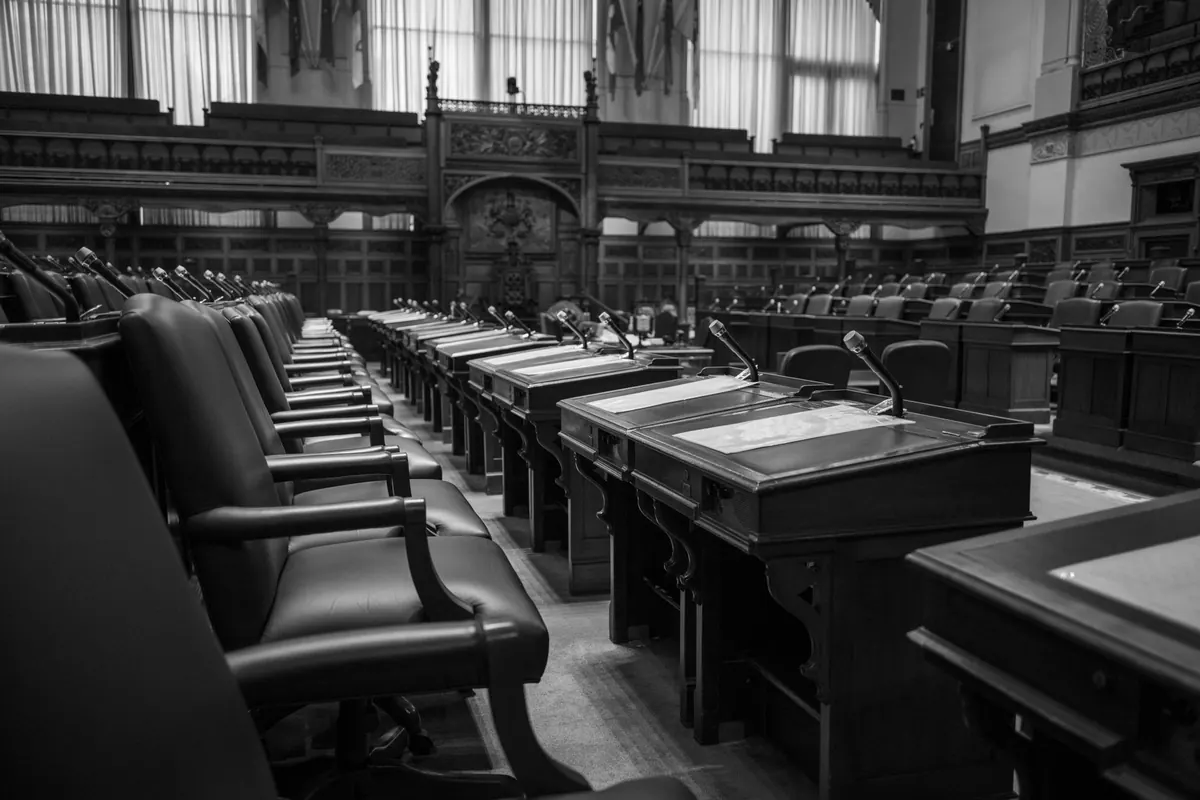
Photo: Héctor Berganza / Pexels