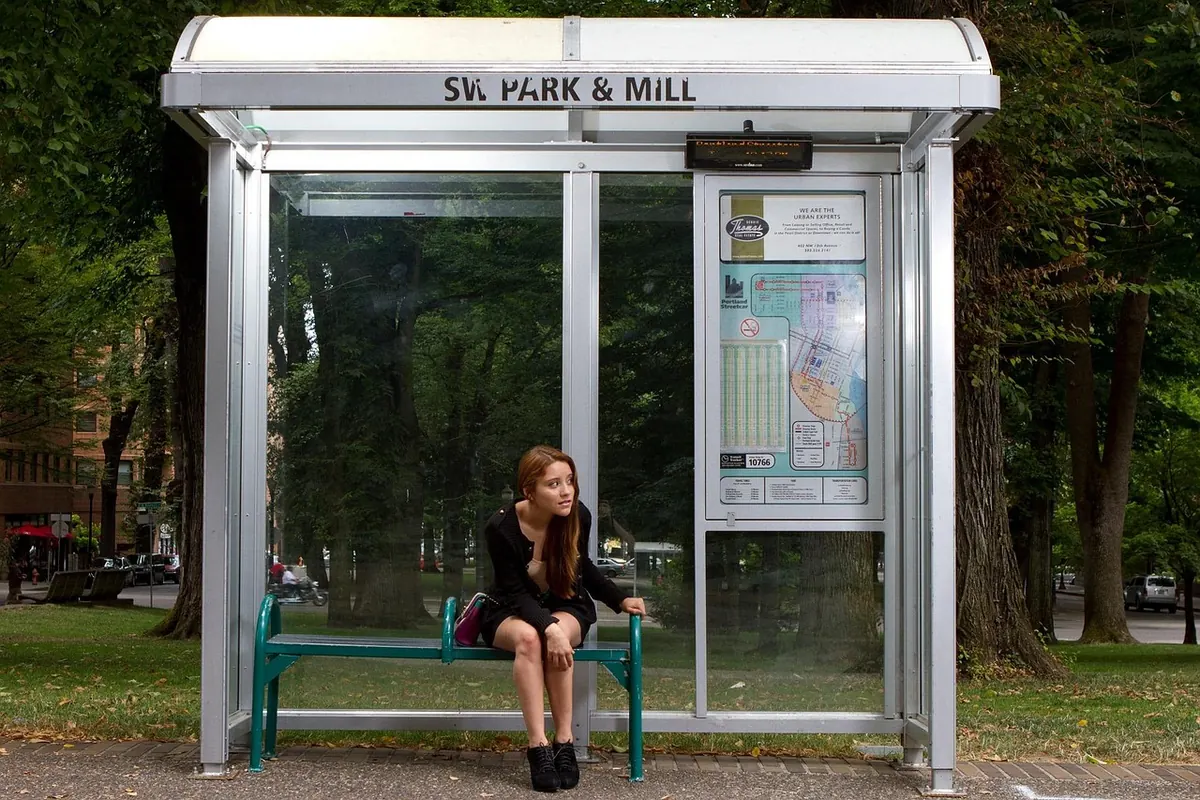
The bus should be the simplest way to get across the Vale. Often it isn't — not because the network is poor, but because the information around it is scattered between timetables, operator apps, roadside notices and word of mouth. Ask three people how to get from one town to the next and you'll get three answers, at least one of them out of date. This is a plain guide to how the services fit together, what you are actually paying for, and the small mistakes that turn a ten-minute wait into forty.
How the network fits together
Most Vale services fall into three loose groups. Town routes loop around a single settlement and stop frequently, which makes them handy for shopping trips and appointments but slow for anything longer. Cross-Vale links join the main towns and usually run to a half-hourly or hourly pattern during the day. Rural services are the thinnest: a handful of journeys, sometimes tied to market days, sometimes running only two or three days a week.
Route numbers are a rough guide rather than a promise. The same number can cover several variations — one journey extended to a hospital, another running only in term time, another finishing early in the evening. Treat the number as a family of journeys and the timetable as the authority.
Reading a timetable without getting caught out
Timetables reward attention. The column headings matter more than the numbers: a page will usually separate Monday to Friday, Saturday and Sunday, then add footnotes on top. Letters beside a departure time are doing real work — "S" for schooldays only, "NS" for school holidays, "F" for Fridays only. Miss one and you may be standing at a stop on a day the bus never comes.
Two habits prevent most problems. First, check the return journey at the same time as the outward one. The last bus back is often much earlier than people assume, and on rural routes it can be mid-afternoon. Second, check the direction. Buses to the same destination sometimes take entirely different roads depending on which way round they run.
Watch the date, not just the day
Bank holidays and the days between Christmas and New Year run to special timetables, usually closer to a Sunday service. School holidays matter too: peak journeys that exist to carry pupils often disappear for six weeks at a time.
Tickets, fares and what is worth buying
Fares are set by the operator and they change, so treat any figure you remember from last year as a guess. What does not change is the logic behind the tickets.
- Single — the default, and rarely the best value if you plan to travel more than once.
- Return — often slightly cheaper than two singles, but not always. Ask before you assume.
- Day ticket — unlimited travel on one operator's network for a day. Two or three short trips usually make it worthwhile.
- Weekly or monthly pass — the cheapest option for regular commuters, but usually tied to a single operator, so it is little use if your journey involves two companies.
- Group or family ticket — worth asking about at weekends and in the school holidays, particularly for two adults travelling with children.
- Concessionary pass — eligibility is set by your council rather than the bus company, and the rules differ across England, Wales and Scotland. If you think you qualify, apply through the council, not the depot.
Buying through an operator's app can work out cheaper than paying the driver, and it saves you hunting for change. It only helps, though, if the app is set up before you leave the house.
When one ticket is not enough
If your journey crosses between companies, a single operator's day ticket will not cover you. Some areas offer a joint ticket or a PlusBus add-on for rail passengers; ask at the bus station or check the council's transport pages.
Contactless, cards and phones
Contactless is now the norm on most buses in and around the Vale, and on many services fares are capped so you never pay more than a day ticket however many times you tap. The detail varies by operator, but the practical rules are consistent.
- Tap one card only. Holding your phone and your bank card against the reader together can cause "card clash" — the wrong card is charged, or the reader refuses both.
- If a service asks you to tap off as well as on, remember to do it. A missing second tap can mean being charged the maximum fare.
- Carry a backup. A phone with a flat battery is not a ticket, and not every reader accepts every card.
- Keep a little cash. A few rural and school services still take coins only.
Common mistakes at peak times
Peak journeys fail for predictable reasons. Avoiding these covers most of it.
- Arriving exactly at departure time. Buses can leave slightly early when running well. Be at the stop five minutes before.
- Standing on the wrong side of the road. Stops opposite each other rarely serve the same routes. Check the flag for direction and destination.
- Not signalling. If a driver cannot tell you want the bus and the stop serves several routes, they may pass. Put your arm out clearly.
- Fumbling for payment at the door. Have your card, pass or change ready before the bus arrives. A full bus at twenty past eight has no slack in it.
- Boarding the first bus that looks right. Two routes can share a stop and diverge a mile later.
- Sitting where you cannot see out. On an unfamiliar route, sit near the front or follow the stops on a map.
School journeys deserve their own warning. Between roughly eight and quarter to nine, and again after three, buses near secondary schools fill quickly. If you can travel twenty minutes either side, do. If you cannot, let the crowd off before you try to board with a buggy or a suitcase.
When the timetable and the road disagree
Delays come from roadworks, accidents, flooding and staff shortages, and they hit rural routes hardest because a missed connection can mean an hour's wait. Before a journey that matters — a hospital appointment, a train, a flight — check the operator's live updates rather than the printed timetable, and allow one bus of slack if the route is long. If a bus does not appear, note the time and the stop name before you ring the operator. It makes the conversation shorter and any complaint easier to act on.
A five-minute routine that saves an hour
Before you leave: check the outward and return times, and screenshot both in case the signal drops. Confirm which stop you need, using a landmark rather than a name you half-remember. Have your card, phone or pass ready, with enough cash as a fallback. Arrive five minutes early and signal clearly.
Do that once and the network stops feeling like a puzzle. The buses themselves are reliable enough; it is the gaps between the information that catch people out.