Autumn is the busiest stretch of the year for anyone who sells what they make. From the first harvest fairs in late September through to the lights switch-ons at the end of November, halls, chapels, school gyms and market squares across the Vale fill up with tables of jam, jewellery, prints, candles and pottery. If you're booking a stall this year — or thinking about your first one — the work starts well before the morning of the fair. What follows is a guide to the season: what's on, what organisers expect, and how to come home with more than you spent.
The shape of the autumn season
Fairs in the Vale fall into four rough types, and each brings a different crowd with a different amount of money in their pocket.
Village and church hall fairs run from September onwards, usually on a Saturday morning. Footfall can be anywhere from a few dozen to a couple of hundred people, most of them local and many of them repeat visitors. Pitch fees are modest and the atmosphere is friendly. These fairs reward regulars: turn up twice and people start looking for you.
School and PTA fairs arrive with half term and run through to December. Expect families, noise, raffle tickets and lower price points. Something at £3 to £8 will sell all day; a £60 framed piece probably won't.
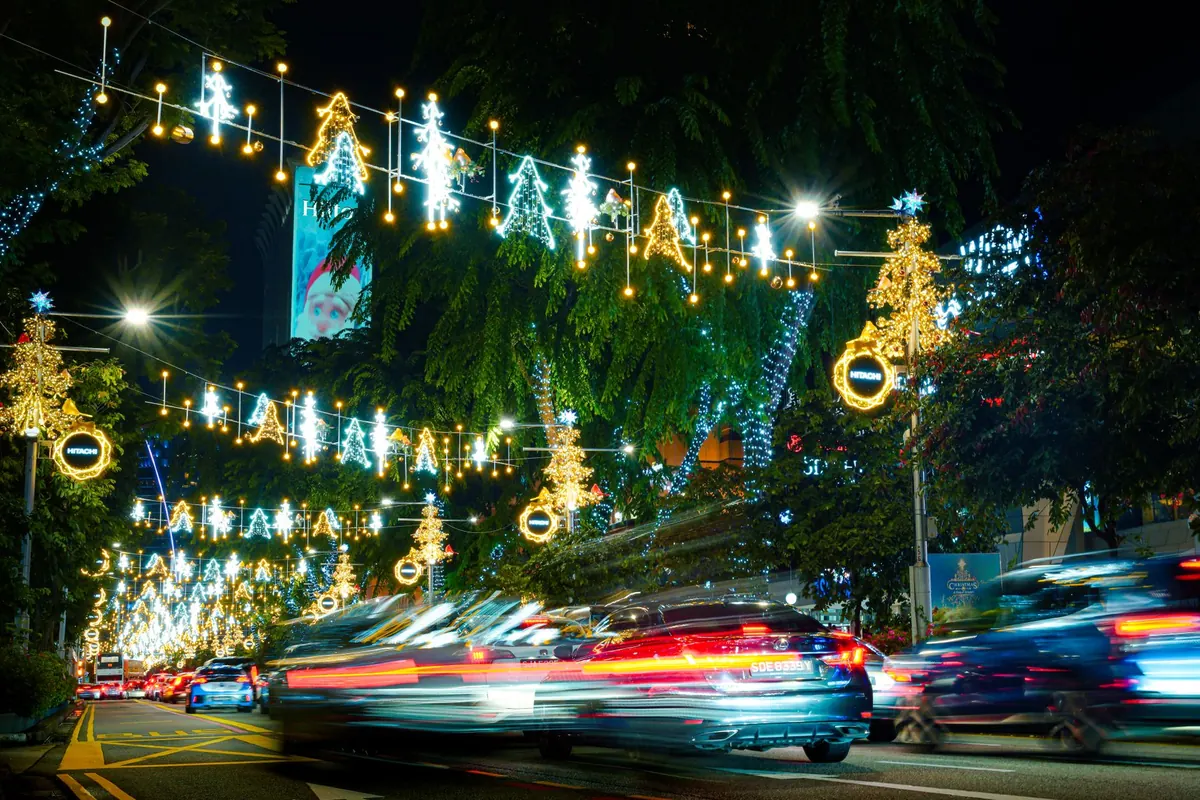
Town centre markets and lights switch-ons in late November pull the biggest crowds of the year, but those crowds are often browsing rather than buying, and pitches cost more. The weather is a genuine risk, so an outdoor pitch needs a weighted gazebo and a plan for rain.
Arts trails and open studios work differently again. Visitors travel to you, they're already interested, and conversion rates are higher — but only if your space is easy to find and there are enough other makers nearby to make the trip worthwhile.
Ask these questions before you book
Organisers are usually volunteers doing several jobs at once, so get in early with a short, polite email. The answers will tell you whether a fair is worth your day.
- How many visitors came last year, and how was that counted?
- How many stalls will there be, and are applications vetted to avoid three people selling the same crochet animals?
- Is a table provided, and what size? Are there chairs, and is there power nearby?
- Indoor or outdoor? What time is set-up, and can a car get close to the door to unload?
- What is the pitch fee, and what happens if the event is cancelled or moved?
- Is there a floor plan? If you sell well near the door or the tea counter, ask for it.
Applications: what gets you a yes
Most autumn fairs close their applications in the summer, so if you're reading this in September, the remaining spaces are often the ones other people turned down. Apply anyway. Organisers get cancellations, and the reserve list is how plenty of stallholders start.
When you do apply, be specific. A form that says "handmade gifts" tells the organiser nothing. "Hand-thrown mugs and small bowls, £18 to £35" tells them exactly where to put you and whether you clash with anyone else. Send three or four clear photographs, and make one of them a picture of your stall at a previous fair rather than a single item on a white background. Organisers are picturing a room, not a product listing.
Many fairs will ask for a copy of your public liability insurance certificate. If you sell food or drink — including jams, cakes and preserves — you'll need to register with the council's environmental health team and follow their guidance, and that should be sorted well before the fair rather than the week of it. If you're unsure what applies to you, ring the council and ask; they are used to these questions.
Pricing for an autumn shopper
Autumn shoppers are buying for other people. That changes what belongs on your table.
- Know your floor. Add up materials, packaging, the pitch fee, travel and your time before you set a price. If a piece doesn't cover that, it isn't a loss leader, it's a loss.
- Offer three price points. Something small under £10 for the "I'll just get a little something" buyer, a mid range that does most of the work, and two or three higher-priced pieces to anchor the stall.
- Bundle for gifts. Sets, gift wrap and "three for" offers sell far better in November than in June.
- Take card payments. Most shoppers expect it, but signal in old halls can be patchy — test it before you rely on it, and carry a cash float plus a way of recording a sale you can't process.
- Don't slash prices mid-fair. It annoys the people who paid full price an hour earlier. Add a small free gift or a multi-buy instead.
Keep a simple record of what you take and what you spend across the season. If you're not sure how your craft income should be handled, ask an accountant — it's a short conversation that saves a long one later.
Setting up so people stop
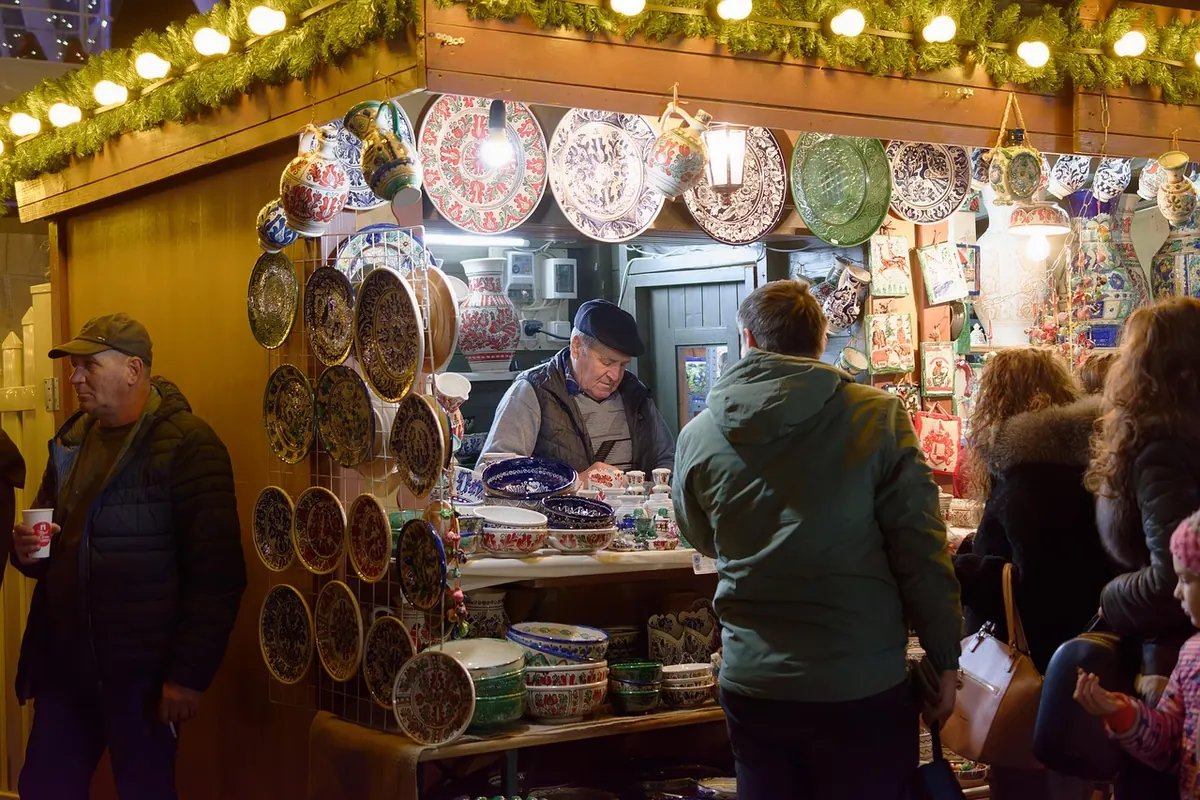
A stall is a small piece of theatre. Bring your table covering down to the floor, keep the clutter underneath rather than on top, and put your prices where they can be read from a metre away. If you can demonstrate — throwing a pot, hand-finishing a print, stitching a seam — do it. A maker with their hands busy draws a small crowd, and a small crowd draws a bigger one.
Stand to the side of your table rather than behind it, and say hello before you say anything about your work. Keep bags, tissue and a notebook within reach, and write down what people asked for that you didn't have. That list is your product plan for next year.
Plan your season in one sitting
Give an evening to it. Write down every fair you can find — council events pages, library and shop noticeboards, church magazines, school newsletters, local Facebook groups — with dates,
Photo: Surprising_Media / Pixabay